 11
11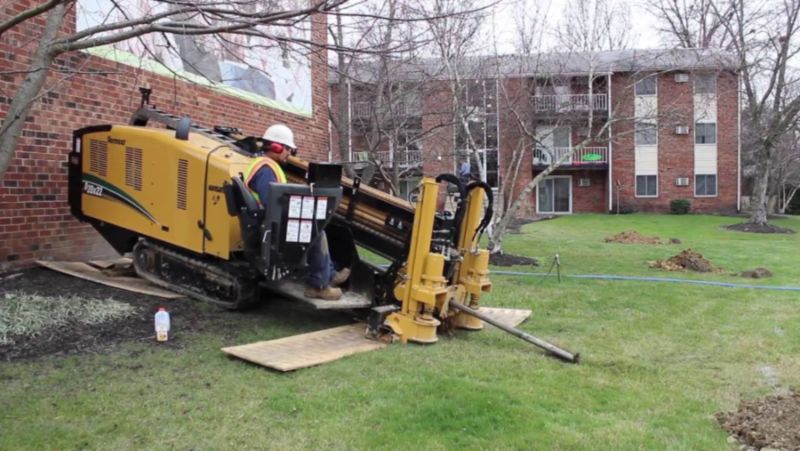
Introduction
Underground construction plays an important role in modern infrastructure. Roads, buildings, utilities, communication networks, water systems, and transportation projects often require services that allow construction crews to install infrastructure beneath the surface without unnecessarily disturbing the surrounding area. Boring contractors provide specialized expertise for these types of projects.
Horizontal boring and other underground drilling methods can offer practical alternatives to traditional open excavation. By using appropriate equipment, planning, and technical knowledge, contractors can create underground pathways for pipes, cables, conduits, and other infrastructure while helping reduce surface disruption.
Experienced directional boring contractors in Florida provide efficient underground utility installation with minimal surface disruption. Using modern horizontal directional drilling techniques, they can help install pipelines, conduits, cables, and other infrastructure beneath roads, landscapes, and developed areas while reducing excavation, traffic disruption, restoration requirements, and overall project impact.
What Do Boring Contractors Do?
Boring contractors specialize in creating underground pathways through soil and other ground conditions. Their work can support projects involving utilities, telecommunications, drainage, transportation infrastructure, and other underground installations.
Depending on the project, contractors may provide services such as:
The appropriate method depends on factors such as soil conditions, project depth, distance, existing infrastructure, and installation requirements.
Why Underground Boring Is Important
Traditional excavation often requires digging large trenches across roads, driveways, landscaped areas, or other surfaces. This can create significant disruption and may require additional restoration after the underground work is complete.
Boring methods can reduce the amount of surface excavation required in suitable situations.
This can be especially useful when underground infrastructure needs to cross:
By working underground, contractors can potentially reduce disruption to surrounding areas.
Horizontal Directional Drilling
Horizontal directional drilling is a specialized underground installation method. It generally involves creating a bore path through the ground and installing the required pipe, conduit, or other infrastructure.
The technique can be useful for projects where conventional trenching would be difficult or disruptive.
Successful directional drilling requires careful planning, suitable equipment, and knowledge of ground conditions.
Importance of Project Planning
Planning is one of the most important stages of an underground boring project.
Before work begins, contractors may need to consider the proposed bore path, existing underground utilities, soil conditions, access requirements, equipment positioning, and installation specifications.
Accurate project information can help contractors select an appropriate method and equipment configuration.
A well-planned project can also help reduce unexpected delays and unnecessary disruption.
Understanding Ground Conditions
Every site can present different challenges. Soil composition, groundwater, rock formations, existing construction, and other underground conditions can affect the boring process.
Contractors need to understand the ground conditions before selecting equipment and determining the appropriate installation approach.
Depending on the project, site investigation and other forms of assessment may help identify potential obstacles.
Utility Installation
Boring contractors frequently support utility installation projects.
Underground boring can be used to create pathways for various types of infrastructure, including electrical conduits, telecommunications cables, water lines, and other utility systems.
Keeping utility infrastructure underground can help maintain clear surface areas and support modern infrastructure development.
Road and Driveway Crossings
Road crossings can be particularly challenging when traditional excavation would interrupt traffic.
Boring methods may allow infrastructure to pass underneath roads without requiring the entire roadway to be opened.
Similarly, residential and commercial driveways can sometimes be crossed using underground boring techniques, reducing the need for extensive surface removal and restoration.
The suitability of a particular method depends on site conditions and project requirements.
Benefits of Hiring Experienced Contractors
Underground construction involves specialized equipment and technical considerations. Experienced contractors can bring knowledge of drilling methods, ground conditions, project planning, and installation procedures.
Potential benefits include:
Contractors should also maintain appropriate safety practices and comply with applicable requirements.
Choosing the Right Boring Contractor
Selecting a contractor should involve more than comparing prices.
Project owners should consider experience with similar projects, available equipment, safety practices, communication, scheduling, and references.
Useful questions include:
Clear communication before work begins can help establish realistic expectations.
Safety and Underground Utilities
Safety is critical during underground construction.
Existing utilities must be identified and appropriately addressed before boring begins. Damaging an underground gas line, electrical cable, water pipe, or communication system can create serious hazards and costly disruptions.
Contractors should follow applicable utility-location procedures and relevant safety requirements.
Workers should also use appropriate protective equipment and follow established site procedures.
Cost Considerations
The cost of an underground boring project can vary considerably.
Factors may include:
The cheapest initial quote may not always represent the best overall value.
A detailed proposal that clearly explains the scope of work can make it easier to compare contractors.
Residential and Commercial Applications
Boring contractors can work on projects ranging from smaller residential installations to major commercial and infrastructure developments.
Residential applications may include underground utility connections, driveway crossings, irrigation systems, or other installations.
Commercial projects can involve larger utility networks, telecommunications infrastructure, road crossings, and development projects.
The required equipment and expertise will depend on the size and complexity of the job.
Environmental and Surface Considerations
Reducing surface excavation can be an important consideration for projects located in developed or environmentally sensitive areas.
Traditional trenching may disturb landscaping, pavement, vegetation, and other surface features.
Boring can potentially minimize the amount of material that needs to be removed and restored, although every project should be evaluated individually.
Conclusion
Boring contractors provide specialized services for installing infrastructure beneath roads, properties, and other developed areas. Through techniques such as horizontal boring and directional drilling, they can help complete underground projects while potentially reducing surface disruption.
Successful underground construction depends on careful planning, accurate knowledge of ground conditions, appropriate equipment, utility identification, and experienced project management.
When choosing a contractor, consider relevant experience, safety procedures, equipment capabilities, communication, project scope, and overall value rather than focusing exclusively on price.
Whether the project involves telecommunications, utilities, pipes, conduits, or road crossings, working with an experienced boring contractor can help provide a more organized approach to underground construction and support the long-term reliability of the infrastructure being installed.