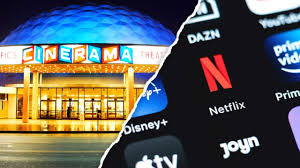
Movie distribution rights are a critical aspect of the film industry that determine how a film reaches its audience. These rights allow distributors, production houses, or third-party companies to manage the circulation of a film across various platforms, including theaters, television, streaming services, and home media. Proper management of movie distribution rights can significantly impact a film’s commercial success, audience reach, and longevity.
The film industry operates through a network of stakeholders, including producers, distributors, exhibitors, and digital platforms. Each party plays a distinct role in acquiring, managing, and exploiting movie distribution rights. For example, major production studios like Warner Bros. Pictures and Universal Pictures often retain certain rights while licensing others to regional distributors or international platforms.
Types of Movie Distribution Rights
Movie distribution rights are typically categorized based on format, geography, and duration. Understanding these types is essential for producers and distributors to maximize revenue.
1. Theatrical Distribution Rights
Theatrical rights allow a film to be shown in cinemas. These rights are often sold regionally, with distributors negotiating with theater chains to screen the movie. For instance, the distribution of Avatar: The Way of Water involved complex deals where different studios handled regional releases to maximize box office revenue.
2. Digital and Streaming Rights
Digital rights refer to the permission to distribute movies on streaming platforms such as Netflix, Amazon Prime Video, or Disney+. These rights have become increasingly valuable as streaming services dominate film consumption worldwide. They can be exclusive or non-exclusive and are often sold for a fixed term.
3. Television and Broadcast Rights
Television rights allow movies to be aired on cable networks, satellite channels, or national broadcasters. Networks like HBO or Star Plus purchase these rights to attract viewership and advertising revenue.
4. Home Media Rights
Home media rights include DVD, Blu-ray, and other physical formats. Though less dominant in the digital age, these rights remain a source of revenue for many films, especially collectors’ editions or films with cult followings.
5. International and Regional Rights
Film distribution often involves selling territorial rights to different regions or countries. A Hollywood movie may license distribution rights separately in North America, Europe, Asia, and Latin America. Companies like Sony Pictures Releasing and Lionsgate Films specialize in acquiring international rights to expand global reach.
The Role of Distributors in Movie Distribution Rights
Distributors act as intermediaries between producers and exhibitors. Their role is to market, promote, and circulate films to ensure maximum audience engagement. Some distributors operate on a theatrical basis, while others focus on digital and home media platforms.
Major distributors also play a strategic role in determining release schedules. For instance, releasing a blockbuster during the summer or holiday season can significantly boost box office revenue. They also negotiate licensing deals with streaming platforms, television networks, and international distributors to generate additional revenue streams.
Independent filmmakers often collaborate with smaller distributors or sales agents to handle their movie distribution rights. These partnerships are crucial for films that may not have the backing of a major studio but have potential appeal in niche markets or film festivals.
Legal Aspects of Movie Distribution Rights
Movie distribution rights are protected by intellectual property laws, and contracts typically outline the scope, duration, and territories of distribution. Licensing agreements often include clauses about revenue sharing, exclusivity, marketing responsibilities, and duration of rights.
Legal disputes can arise if rights are violated, such as unauthorized streaming, duplication, or international licensing conflicts. For instance, piracy of films on platforms like The Pirate Bay has posed significant challenges to distributors, highlighting the importance of clear legal agreements and anti-piracy measures.
Factors Affecting the Value of Movie Distribution Rights
The value of movie distribution rights depends on several factors:
- Star Cast and Director: Films featuring stars like Leonardo DiCaprio or directors like Christopher Nolan often command higher distribution fees.
- Genre and Audience Appeal: Popular genres such as action, sci-fi, and family entertainment generally fetch higher prices.
- Market Demand: The popularity of films in regional or international markets affects the pricing of distribution rights.
- Platform Popularity: The choice between theatrical, digital, or TV release also impacts revenue potential.
Emerging Trends in Movie Distribution Rights
With the rise of OTT platforms and global streaming services, the landscape of movie distribution rights is evolving. Films now have multiple revenue streams through simultaneous theatrical and digital releases, often referred to as “day-and-date” releases.
Additionally, AI-driven analytics are being used to predict audience behavior, helping distributors price and allocate movie distribution rights more effectively. Companies like Paramount Pictures and 20th Century Studios are increasingly leveraging data to optimize release strategies across platforms and regions.
Conclusion
Understanding movie distribution rights is essential for filmmakers, distributors, and investors aiming to maximize revenue and audience reach. From theatrical releases to streaming platforms and international licensing, managing these rights strategically ensures that a film achieves its full commercial potential. As technology evolves and audience behavior shifts, the importance of adapting movie distribution strategies continues to grow, making this a dynamic and vital part of the global film industry.
Leave a Reply